
Sodium and Hypertension: Practical Ways to Lower Intake
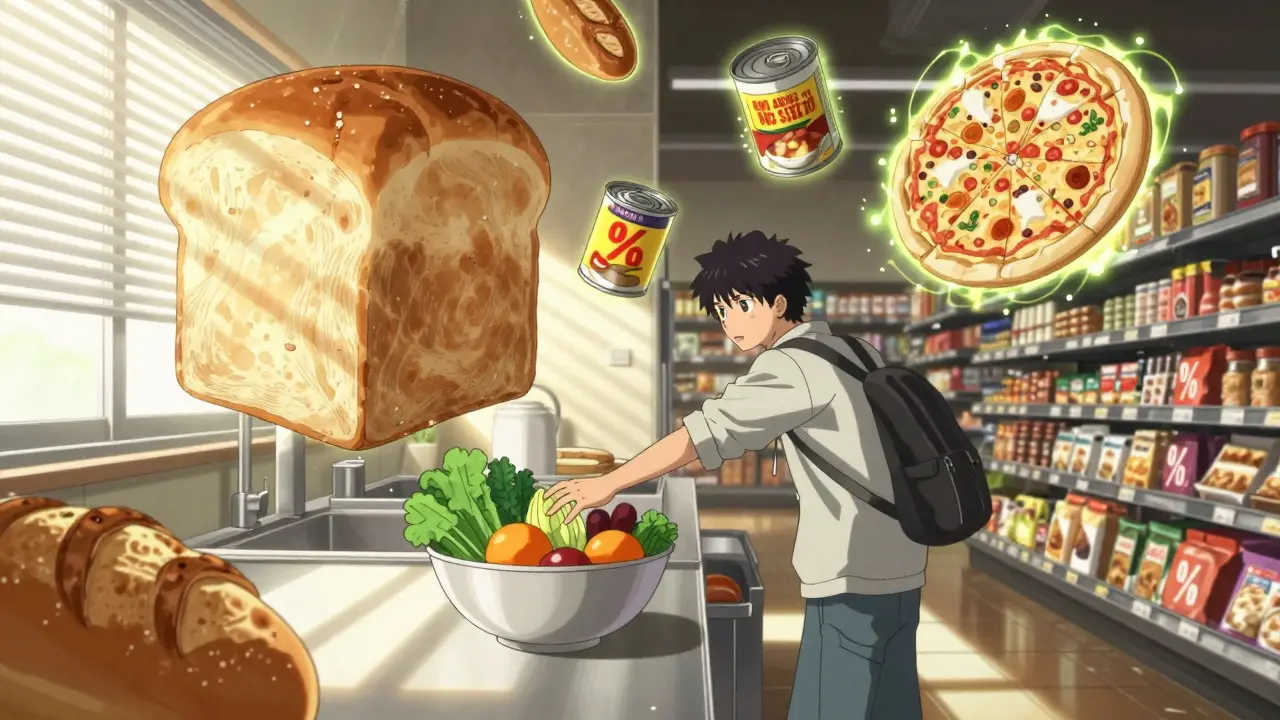
Most people don’t realize how much sodium is hiding in their food-until their blood pressure won’t budge, no matter how many pills they take. You might think cutting back on the salt shaker is enough, but here’s the truth: sodium doesn’t come from your kitchen salt container. It comes from the bread you eat for breakfast, the canned soup for lunch, the frozen pizza for dinner, and the sauce on your salad. And if you have high blood pressure, every extra milligram adds up.
Why Sodium Raises Blood Pressure
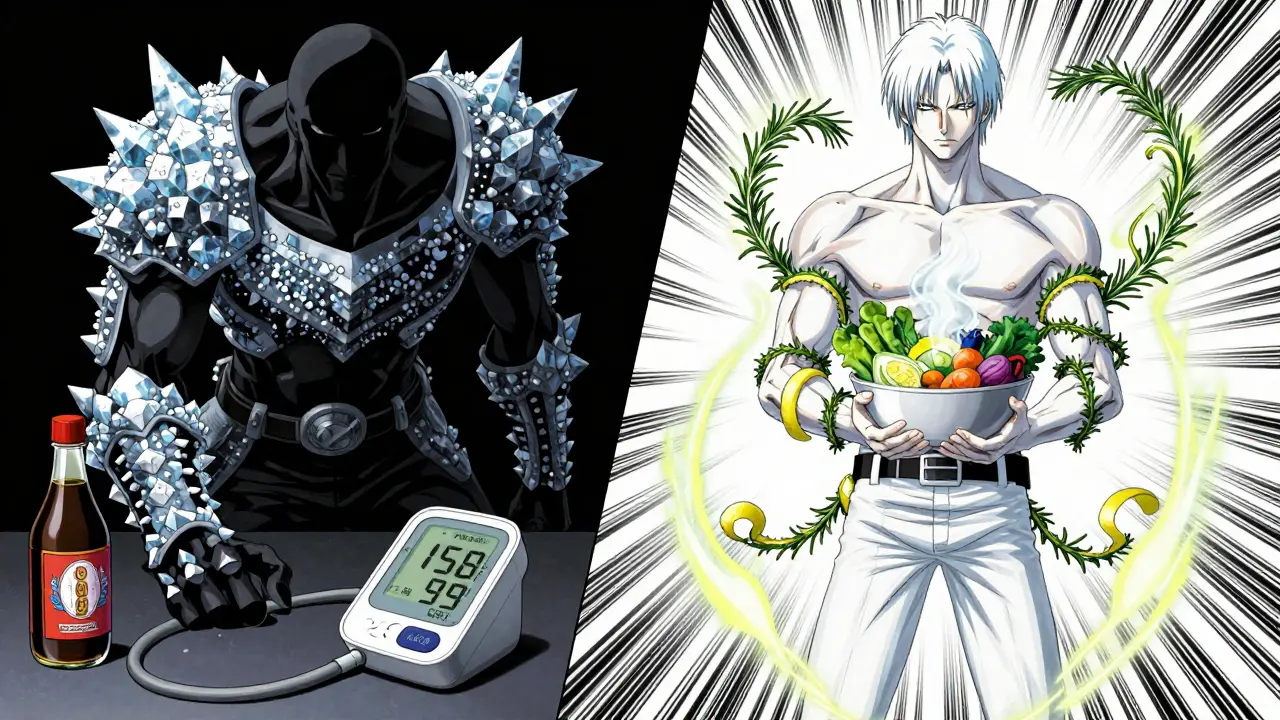
Your body needs a little sodium to work properly-nerve signals, muscle contractions, fluid balance. But when you eat too much, your kidneys can’t flush it out fast enough. So your body holds onto water to dilute the extra salt. More water in your blood vessels means more pressure on your artery walls. That’s hypertension. It’s not just about volume, though. High sodium also damages the lining of your blood vessels, making them stiffer and less able to relax. Over time, this forces your heart to pump harder. Studies show that for every 1.75 grams of sodium you cut from your daily intake, your systolic blood pressure drops by about 4 to 5 points. For people already diagnosed with hypertension, the drop can be even bigger-up to 5.4 mmHg. And here’s something most don’t know: about half of people with high blood pressure are “salt sensitive.” That means their pressure spikes or drops dramatically based on how much sodium they eat. Even if you’re not diagnosed, you could still be one of them. The good news? You don’t need a genetic test to find out. Try cutting back for a week and see what happens.Where Sodium Is Hiding (And How to Spot It)
You won’t find the biggest sources of sodium in your spice rack. You’ll find them in the packaged aisle. Around 70% of the sodium the average person eats comes from processed and restaurant foods. That’s not because people are dumping salt on their meals-it’s because food manufacturers use it as a preservative, flavor booster, and texture enhancer. Look at these common culprits:- One slice of store-bought bread: 150-230 mg sodium
- A single serving of canned soup: 800-1,200 mg
- A fast-food burger with cheese: 1,200-1,800 mg
- Two tablespoons of soy sauce: 1,000 mg
- A pre-made salad with bottled dressing and croutons: up to 1,200 mg
What Works: Proven Ways to Cut Sodium
You don’t have to go cold turkey. The goal isn’t perfection-it’s progress. Here’s what actually moves the needle, backed by real studies:- Switch to fresh, whole foods. A home-cooked chicken and veggie bowl with brown rice and olive oil has about 400-600 mg sodium. The same meal from a meal delivery service? Often over 1,500 mg. Cooking at home gives you control.
- Use herbs, citrus, and vinegar. Lemon juice, garlic, rosemary, cumin, smoked paprika, apple cider vinegar-they add flavor without salt. One study found that people who swapped salt for these seasonings reduced sodium intake by 300-500 mg per meal without missing the taste.
- Try the DASH diet. It’s not a fad. It’s a clinically proven eating plan that focuses on fruits, vegetables, whole grains, lean proteins, and low-fat dairy. When combined with sodium reduction, it lowers systolic blood pressure by 8-14 points. That’s as effective as some blood pressure medications.
- Read labels and choose “low sodium” or “no salt added”. Canned beans labeled “no salt added” have 90% less sodium than regular ones. Same with tuna, tomatoes, and broths. It’s not more expensive-you just have to look.
- Ask for sauces on the side. At restaurants, dip your fork in the dressing instead of pouring it over your salad. Skip the gravy. Ask for grilled instead of fried. These small swaps can cut 300-500 mg per meal.
What About Salt Substitutes?
Potassium chloride is the main ingredient in salt substitutes like Mrs. Dash, NoSalt, or LoSalt. These can reduce sodium intake by up to 50% per teaspoon. But here’s the catch: if you have kidney disease or take certain blood pressure meds (like ACE inhibitors or spironolactone), too much potassium can be dangerous. Talk to your doctor before switching. For most healthy people, though, potassium is a win. It helps your body flush out sodium and relaxes blood vessels. The ideal target is 3,500-5,000 mg of potassium daily. Bananas, spinach, sweet potatoes, beans, and yogurt are great sources.How Fast Will You See Results?
You don’t have to wait months. In the CARDIA-SSBP study, participants who switched from a high-sodium to a low-sodium diet saw their systolic blood pressure drop by an average of 8 mmHg in just one week. About 73% of them had a meaningful drop. Even people who weren’t hypertensive saw benefits. That’s not a fluke. Your body responds quickly to sodium changes. Within 24-48 hours, your kidneys start excreting excess salt. Within a week, your blood vessels begin to relax. The taste buds adapt, too. People who stick with it for three to four weeks say food that used to taste normal now tastes too salty. That’s your body resetting.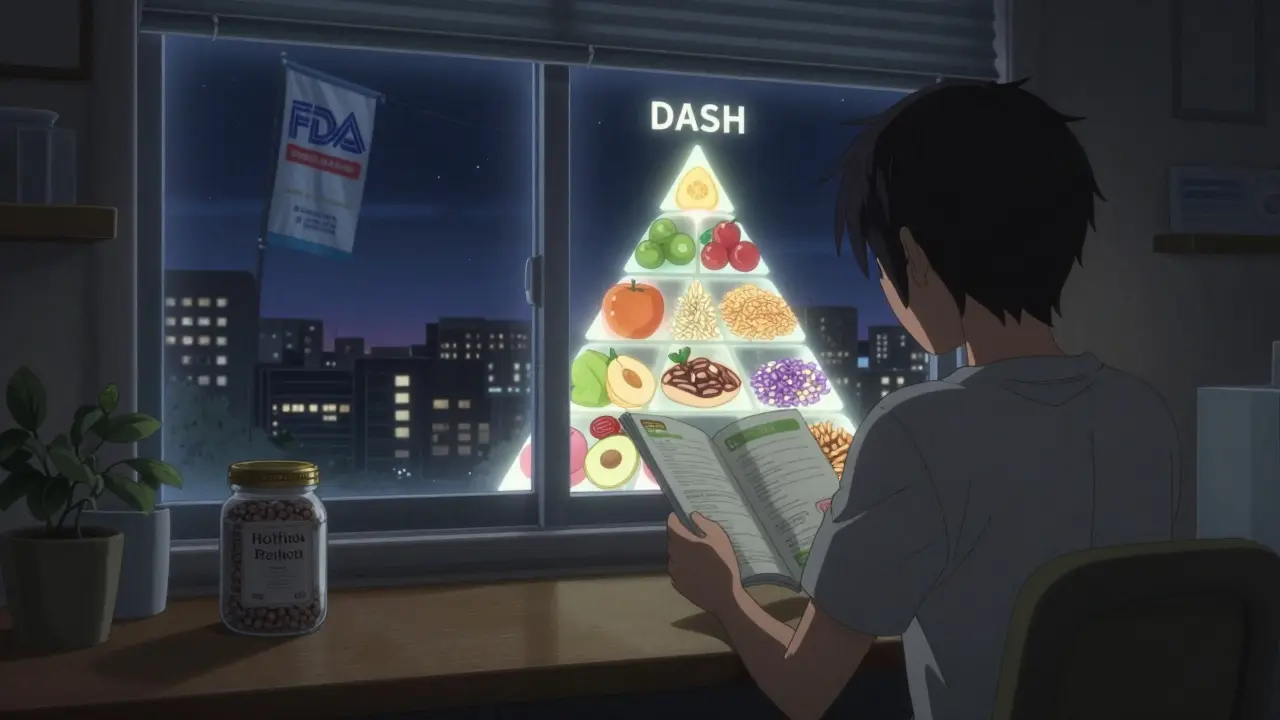
The J-Shaped Curve: When Less Isn’t Always Better
Some experts warn that going too low can backfire. Very low sodium intake-under 1,500 mg per day-might trigger stress hormones in certain people, especially those with advanced heart or kidney disease. This is called the “J-shaped curve”: too much sodium is bad, too little might be risky for some. But here’s the key: this applies to a small group. For 95% of people with high blood pressure, the goal is still to reduce sodium as much as possible-ideally to 1,500 mg or under. The risk of going too low is far smaller than the risk of eating 3,000-4,000 mg daily, which is the average in most Western countries.Real People, Real Results
In online communities like Reddit’s r/HighBloodPressure, users share their stories. One person wrote: “I cut out processed food for 30 days. My BP went from 152/94 to 128/82. I didn’t change my meds. Just my meals.” Another said: “I thought I couldn’t live without soy sauce. Then I tried coconut aminos. Now I prefer it.” The biggest complaint? Cost and time. Fresh food can feel pricier. Cooking from scratch takes effort. But batch-cooking on weekends saves time. Buying frozen vegetables (no salt added) is cheaper than takeout. And the long-term savings? Fewer doctor visits, fewer meds, lower risk of stroke or heart attack.What’s Next?
The future of sodium advice is personal. Researchers are identifying genetic markers that predict who’s salt-sensitive. In a few years, a simple blood test might tell you your ideal sodium range. Until then, the best tool you have is your own body. Track your blood pressure for two weeks while eating normally. Then cut sodium for two more weeks. See what changes. Public health efforts are also helping. The FDA is asking food companies to cut sodium by 20% over the next few years. The UK cut population sodium intake by 15% between 2003 and 2011-and stroke deaths fell by 40%. You don’t need to be perfect. You just need to move in the right direction. Start with one change: swap your bread for low-sodium. Or skip the canned soup and make a veggie broth with herbs. Do that for a week. Then add another. Your heart doesn’t need a miracle. It just needs less salt.Can I still eat out if I’m trying to lower sodium?
Yes, but you need to be smart. Skip the fried options-grilled, baked, or steamed are better. Ask for sauces, dressings, and condiments on the side. Avoid anything labeled “crispy,” “smothered,” “loaded,” or “au gratin”-those usually mean extra sodium. Salads can be traps; packed croutons and processed cheese add up to 1,200 mg. Stick to plain greens with olive oil and vinegar.
Is sea salt or Himalayan salt healthier than table salt?
No. They’re still sodium chloride. Sea salt and Himalayan salt have trace minerals, but not enough to make a health difference. By weight, they contain almost the same amount of sodium as table salt. The only difference is texture and flavor-some people use less because it’s coarser, but that’s not reliable. Don’t assume they’re safer.
How much sodium should I aim for daily?
The American Heart Association recommends 1,500 mg per day for optimal heart health, especially if you have high blood pressure. The maximum limit is 2,300 mg-about one teaspoon of salt. Most people eat 3,400 mg or more. Even cutting from 3,400 to 2,300 mg can lower blood pressure. Aim for 1,500 if you can, but don’t stress if you’re at 2,000. Progress matters more than perfection.
Will cutting sodium help me lose weight?
It can help you lose water weight fast-within a few days. That’s because your body holds onto water when sodium is high. But that’s not fat loss. Long-term, reducing sodium often leads to eating fewer processed foods, which are high in calories and sugar too. So yes, you might lose weight, but it’s because you’re eating better overall-not because sodium itself burns fat.
I have kidney disease. Should I still cut sodium?
Yes, but talk to your doctor or dietitian first. People with advanced kidney disease often need to limit both sodium and potassium. Cutting sodium helps control blood pressure and fluid buildup, which is critical. But some salt substitutes contain potassium, which could be harmful. Your care team can help you find the right balance.




Comments
Jenci Spradlin
January 9, 2026 AT 19:33bro i just started reading labels and holy crap i was eating 4k mg a day without even knowing. switched to no-salt-added beans and my bp dropped 10 points in 10 days. no meds changed. mind blown.
RAJAT KD
January 11, 2026 AT 03:161500mg is ideal. anything above 2300 is a slow suicide. stop making excuses.
Diana Stoyanova
January 12, 2026 AT 12:03okay but let’s be real-nobody’s gonna cook from scratch every night. i get it. but here’s the hack: buy frozen veggies with no salt, canned tomatoes with no salt added, and just roast them with garlic, lemon, and a dash of smoked paprika. tastes like heaven, costs less than takeout, and my bp’s been stable for 6 months. i used to eat ramen three times a week. now i make my own broth with chicken bones and herbs. it’s not perfect, but it’s progress. also, try coconut aminos. it’s like soy sauce but less salty and kinda sweet. i didn’t think i’d like it but now i put it on everything. even my dog licks the spoon. no joke.
Johanna Baxter
January 12, 2026 AT 22:31so you’re telling me i have to give up my beloved frozen pizza to live? what a cruel world. my heart is already broken, now my taste buds are being gaslit too.
Jerian Lewis
January 14, 2026 AT 19:20the fact that people still think sea salt is healthier proves we’re not ready as a society to face reality. salt is salt. stop romanticizing minerals that don’t matter.
Kiruthiga Udayakumar
January 14, 2026 AT 19:51my mom had kidney disease and they told her to cut sodium-but she was scared of potassium. i helped her find a dietitian who gave her a simple list: eat bananas, spinach, sweet potatoes, skip the canned soups, and use herbs. her bp dropped, her swelling went down, and she didn’t die. you can do this. it’s not magic. it’s just smart.
Patty Walters
January 15, 2026 AT 02:48just a quick tip: if you’re on lisinopril or spironolactone, don’t go wild with salt substitutes. i did and ended up in the er with a potassium spike. my nurse said ‘you’re lucky you didn’t stop your heart.’ talk to your doc before swapping salt for potassium chloride. it’s not a free pass.
Phil Kemling
January 15, 2026 AT 14:34we treat hypertension like it’s a personal failure. like if you just ate better, you’d be fixed. but what about the people who work two jobs and don’t have time to cook? what about the food deserts? what about the systemic crap that makes processed food cheaper than an apple? cutting sodium is good-but blaming individuals misses the real enemy: corporate food engineering. they add salt because it’s addictive. they know. and they don’t care.
Chris Kauwe
January 16, 2026 AT 02:04the american healthcare system is a joke. you tell people to eat less salt, but the government subsidizes corn syrup and sodium-laden processed foods. meanwhile, fresh produce costs more than a tank of gas. this isn’t about willpower-it’s about economic warfare disguised as wellness. the real solution? ban sodium in packaged foods. period. if corporations won’t self-regulate, force them. we did it with tobacco. we can do it here.
tali murah
January 17, 2026 AT 02:23oh look, another ‘eat more vegetables’ lecture. did you also forget to mention that your ‘low sodium’ salad has 1200mg because the croutons were made by a chemist in a lab? congrats. you’ve turned healthy eating into a performance art. next you’ll tell me to meditate while chewing kale.
Ian Long
January 18, 2026 AT 05:37to everyone arguing about salt substitutes and potassium: chill. the science is clear for 95% of us-cut sodium, you’ll feel better. don’t let the outliers scare you. and to the person who said they used to eat ramen daily-i’ve been there. i swapped it for lentil soup with cumin and lime. tasted better. saved money. didn’t feel like a zombie after lunch. you don’t need to be perfect. just start. one meal. one swap. one week. you got this.