
Theophylline Clearance: How Common Medications Can Cause Dangerous Buildup
Theophylline Interaction Risk Calculator
Understanding Your Risk
Theophylline has a narrow therapeutic window (10-20 mcg/mL). When taken with certain medications, your body may clear it more slowly, increasing the risk of toxicity.
Results
Important: This tool estimates risk based on common interactions, but the only way to know your actual theophylline level is through a blood test. If your level is above 20 mcg/mL, seek medical attention immediately.
Imagine taking your asthma medication every day, feeling stable, and then suddenly your heart starts racing, you feel nauseous, and your hands shake. You didn’t change your dose. You didn’t start anything new. But you did pick up a new pill for your gout - allopurinol. That’s when things went wrong. This isn’t rare. It’s a silent danger hiding in plain sight for people on theophylline.
Theophylline has been around since the 1920s. It’s old, cheap, and still used - especially where newer inhalers aren’t available. But its narrow window between helping and harming is unforgiving. The difference between a safe level and a toxic one? Just a few points on a blood test. And that window gets even smaller when certain medications slow down how your body clears it.
Why theophylline is so tricky
Theophylline doesn’t just float around in your blood. Your liver breaks it down - about 90% of it - using an enzyme called CYP1A2. This enzyme is like a factory worker: it processes the drug, turns it into harmless pieces, and gets it out of your system. But this process isn’t simple. At normal doses, the system works predictably. But when you’re near the top of the safe range (10-20 mcg/mL), even a small slowdown in metabolism can cause levels to spike. That’s because the enzyme gets overwhelmed. It’s not linear. A 15% drop in clearance can mean a 40% jump in blood levels. That’s not a typo. That’s how dangerous this drug is.
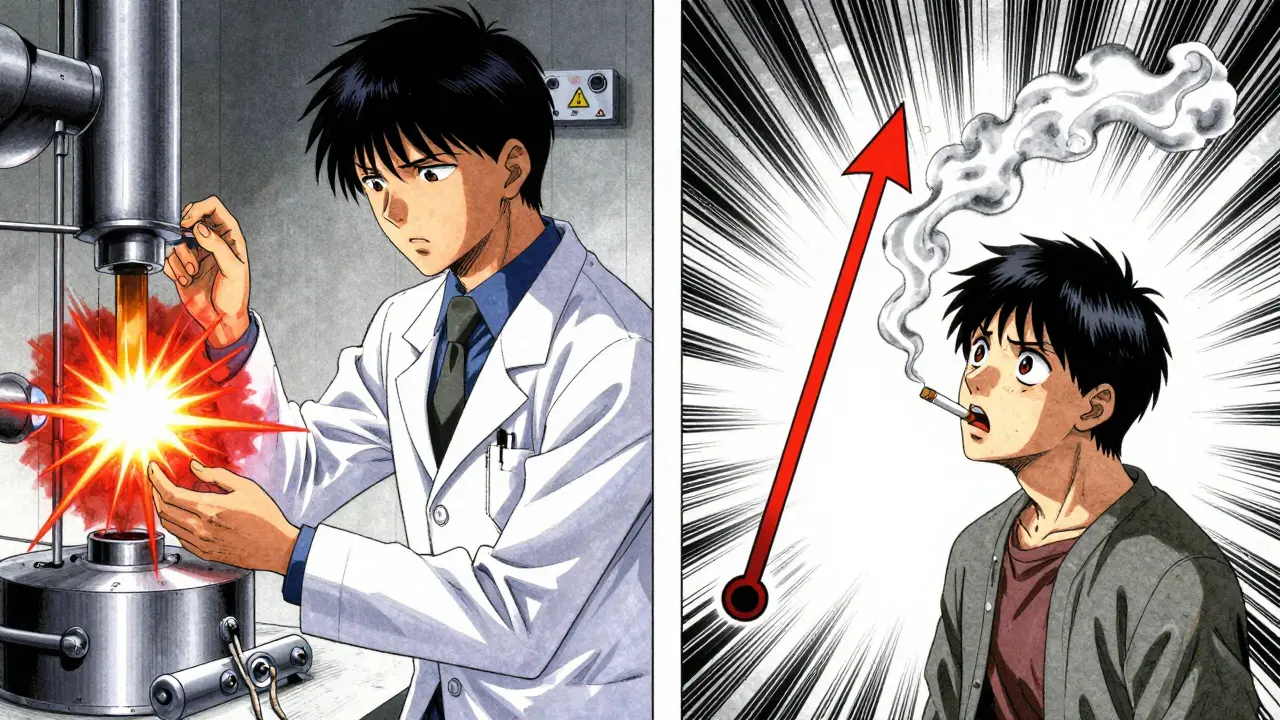
Half-life? Normally around 8 hours. But if you’re older, have heart failure, or smoke? That changes. Smokers clear theophylline faster - up to 1.2 mL/kg/h. Non-smokers? More like 0.5 mL/kg/h. And if you stop smoking? Clearance drops 30-50% in just two weeks. That’s why quitting smoking while on theophylline can be just as risky as adding a new drug.
Medications that slow down theophylline clearance
Not all drugs affect theophylline the same way. Some are mild. Others are dangerous. Here’s what actually matters in real practice:
- Fluvoxamine - This antidepressant is one of the worst offenders. It blocks CYP1A2 so hard it cuts theophylline clearance by 40-50%. That’s not a suggestion. That’s a red flag. The European Respiratory Society says: avoid combining them. If someone is on fluvoxamine, theophylline should be switched out - not adjusted.
- Cimetidine - A common heartburn pill. Found in brands like Tagamet. It reduces clearance by 25-30%. A 2021 study found it was the most common culprit in hospital cases of theophylline toxicity. One patient went from 15.2 mcg/mL to 24.7 mcg/mL in 72 hours after starting cimetidine. That’s past the toxic line.
- Allopurinol - Used for gout. Most people think it’s harmless. But at high doses (600 mg/day), it cuts clearance by about 20%. Lower doses? Usually fine. But if someone’s already near the top of the safe range? That 20% drop can push them into danger. Many doctors don’t know this - and patients rarely get warned.
- Erythromycin and clarithromycin - These antibiotics aren’t the main problem, but they still matter. They block CYP3A4, which plays a minor role in theophylline metabolism. Still, they can reduce clearance by 15-25%. That’s enough to cause trouble in elderly patients or those with liver issues.
- Furosemide - This one’s confusing. Some studies say it reduces clearance by 10-15%. Others say nothing. The safest move? Monitor levels if you’re using both.
And here’s the kicker: these aren’t rare drugs. Cimetidine is sold over the counter. Fluvoxamine is prescribed for depression. Allopurinol is given to millions for gout. And theophylline? Still used in 7.8% of COPD patients in Asia, 12.4% in Africa. That’s a lot of people on the edge.
What happens when clearance drops
When theophylline builds up, symptoms don’t wait. They hit fast:
- Nausea, vomiting, stomach pain
- Headaches, tremors, nervousness
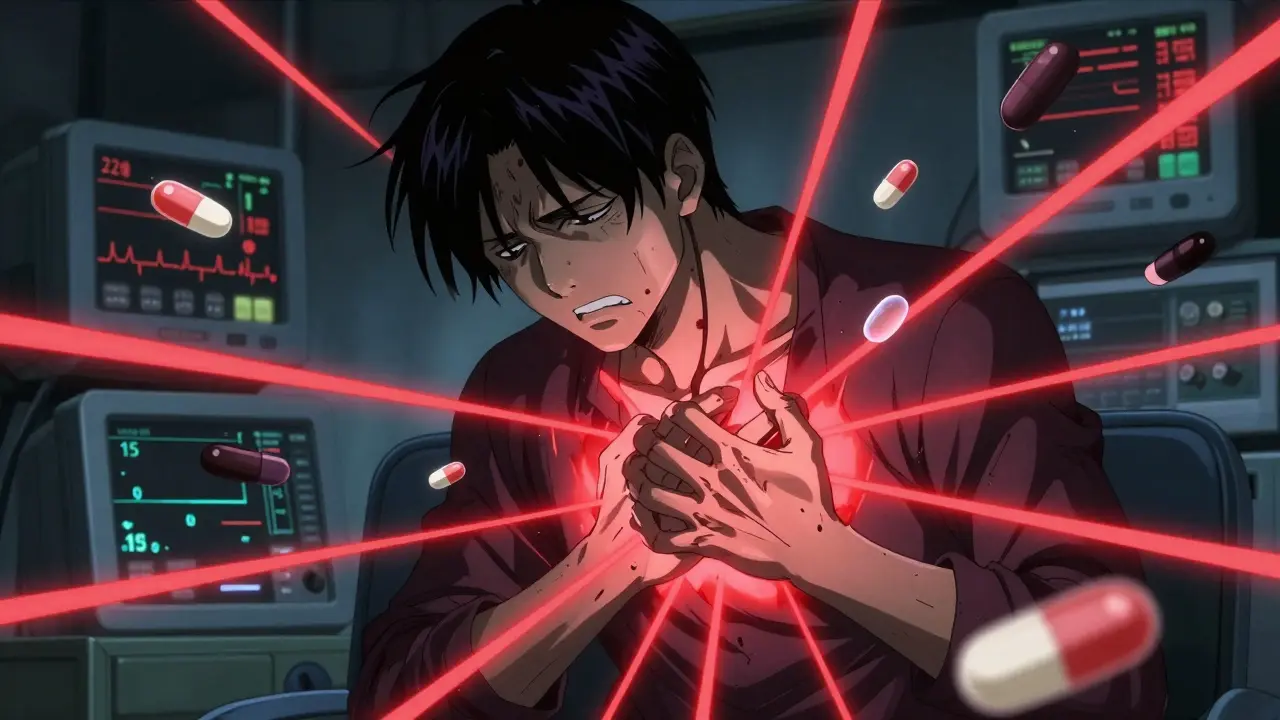
- Rapid heartbeat, palpitations
- Seizures - in severe cases
- Cardiac arrest - fatal
In 2022, the FDA reported over 1,800 adverse events tied to theophylline. Over 40% of them were from drug interactions. And the worst part? Most were preventable. A 2023 survey of 412 pulmonologists found 78.6% had seen a serious interaction in the past year. Yet, only 37% of those cases had proper dose changes or blood tests done.
Why? Because many doctors don’t think of theophylline as a high-risk drug anymore. It’s old. It’s cheap. But that doesn’t make it safe. In fact, it makes it more dangerous - because fewer people are trained to watch for it.
How to stay safe
If you’re on theophylline, here’s what you need to do - no exceptions:
- Know your level. Get a blood test before starting any new medication - even if it’s just for heartburn or gout.
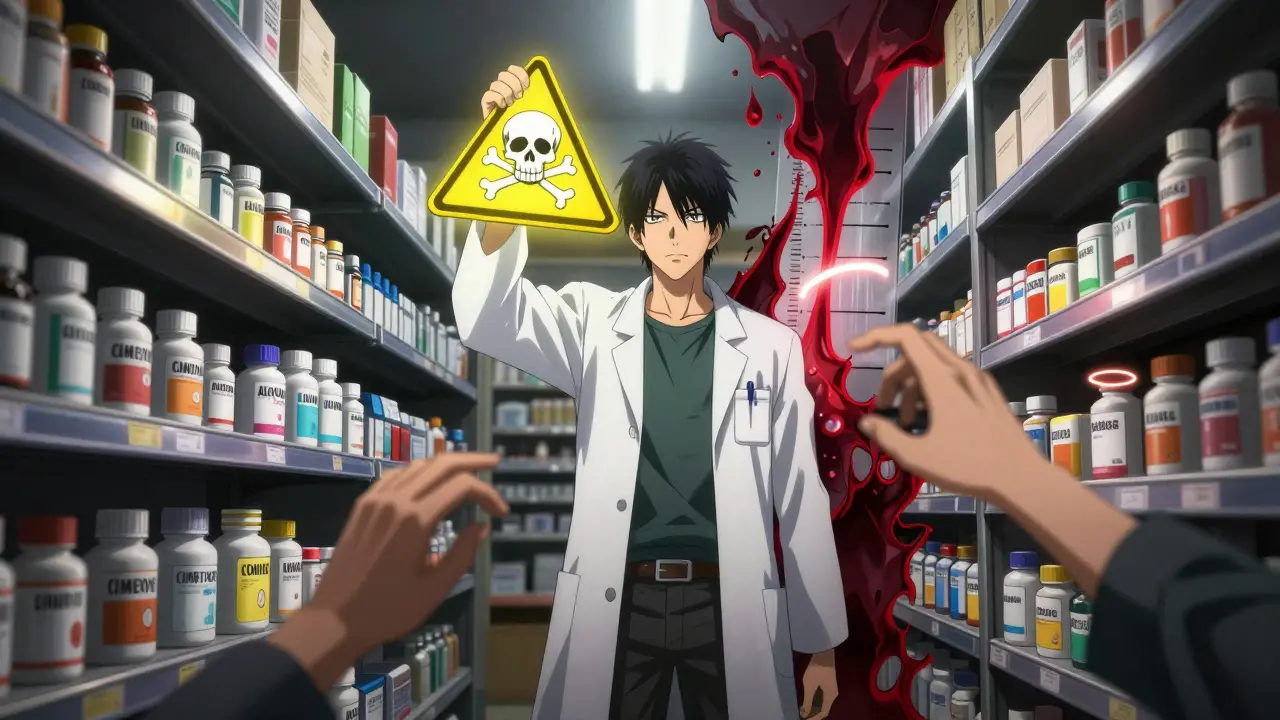
- Check every new drug. Ask your pharmacist: “Could this interact with theophylline?” Don’t assume it’s safe because it’s OTC.
- Don’t stop smoking suddenly. If you quit, tell your doctor. Your dose may need to drop.
- Never start fluvoxamine. If you’re on theophylline, fluvoxamine is off-limits. Period.
- Use cimetidine only if no other option. If you need a heartburn pill, choose famotidine or omeprazole instead. They don’t interfere.
- Monitor after changes. If you start or stop an interacting drug, get your theophylline level checked within 48-72 hours.
The University of Michigan’s 2023 guidelines say: reduce theophylline dose by 25-50% when adding a strong CYP1A2 inhibitor. But that’s not enough. You still need a blood test. No guesswork.
Why this still matters
Theophylline use has dropped 62% in the U.S. since 2000. But that doesn’t mean the risk is gone. It means the remaining patients are more vulnerable. They’re older. They’re on more meds. They have COPD, heart failure, kidney issues - and now, they’re more likely to be on drugs that interfere.
Global sales are still $187 million a year. It’s still used in places where inhalers are too expensive. And in those places, people don’t have access to regular blood tests. That’s why the European Medicines Agency says: “With appropriate monitoring and avoidance of key interacting medications, the benefit-risk profile remains positive.”
But “appropriate monitoring” isn’t happening in most clinics. A 2021 study of 1,247 patients over 65 found that 28.3% were on a drug that reduced theophylline clearance - and only 37% had their dose adjusted.
That’s not care. That’s luck.
There’s new research into low-dose theophylline for inflammation in COPD. But those trials now exclude anyone on CYP1A2 inhibitors. Why? Because the risk is too high. And that’s the message: if you’re on theophylline, you can’t afford to be careless.
What’s next?
Some hospitals are starting pharmacist-led programs to track these interactions. One program in a Medicare population cut hospitalizations by 37%. That’s huge. But it shouldn’t take a special program to keep someone alive.
Electronic health records still don’t flag theophylline interactions well. A 2023 survey found 62% of clinicians said their systems didn’t warn them about these risks. That’s a system failure.
The future of theophylline? Unclear. Sales are expected to drop another 4.7% a year until 2030. But until it’s gone, people will keep getting hurt - not because the drug is bad, but because we forget how dangerous it can be.
Don’t let that be you.
Can I take ibuprofen with theophylline?
Yes, ibuprofen doesn’t significantly affect theophylline clearance. It’s generally safe to use together. But always check with your doctor if you’re on multiple medications, as other factors like kidney function can still play a role.
Is theophylline still prescribed today?
Yes, but much less often. In the U.S., use has dropped by 62% since 2000. It’s mostly used for severe asthma or COPD when newer inhalers don’t work - or in areas where they’re too expensive. Globally, it’s still used in 7.8% of COPD cases in Asia and 12.4% in Africa.
How do I know if my theophylline level is too high?
You can’t feel it reliably. Symptoms like nausea, shaking, or rapid heartbeat can mean toxicity - but they can also be caused by other things. The only way to know is a blood test. Levels above 20 mcg/mL are toxic. Always get tested after starting or stopping any new medication.
Can I switch from theophylline to a newer inhaler?
If your condition is stable and you’re having trouble with side effects or interactions, talk to your doctor about switching. Newer bronchodilators like long-acting beta agonists (LABAs) or anticholinergics have fewer interactions and better safety profiles. But don’t stop theophylline on your own - it can cause rebound symptoms.
Why do smokers clear theophylline faster?
Smoking activates the CYP1A2 enzyme, making your liver break down theophylline faster. That’s why smokers often need higher doses. But if you quit, the enzyme activity drops within weeks - and your theophylline level can spike dangerously if your dose isn’t lowered.



Comments
Samuel Mendoza
January 22, 2026 AT 07:57Theophylline is a relic. If your doctor still prescribes it, find a new doctor.
Glenda Marínez Granados
January 22, 2026 AT 14:19So let me get this straight - we’re still using a 1920s drug that requires a blood test just to not die, and the system doesn’t even warn you when you’re about to overdose? 😅
Guess that’s why they call it ‘healthcare’ and not ‘survival roulette’.
Yuri Hyuga
January 24, 2026 AT 13:05This is exactly why we need better pharmacist integration in primary care! 🙌
Imagine if every time someone got a new script, a clinical pharmacist ran an interaction check - especially for high-risk meds like theophylline.
One hospital in Manchester implemented this and saw ER visits drop by 40%. It’s not magic - it’s basic safety.
We know how to fix this. We just need the will to do it.
Let’s stop blaming patients for not knowing the fine print - and start fixing the system that leaves them in the dark.
MARILYN ONEILL
January 25, 2026 AT 15:55I knew this was gonna be one of those posts where someone acts like they’re a doctor. Newsflash: if you’re on theophylline, you’re already a walking time bomb. Just switch to the inhaler already. Stop being cheap and risky.
Steve Hesketh
January 26, 2026 AT 16:53Man, I’ve seen this play out in Lagos - elderly patients on theophylline for years, then their grandkids bring them allopurinol from the pharmacy ‘for the pain’ and boom - ambulance.
But here’s the thing: most of them don’t even know what the drug is called. They just take what’s handed to them.
We need community health workers to go door-to-door with simple flyers - no jargon, just pictures: ‘This pill makes your asthma pill dangerous.’
It’s not about fancy tech. It’s about love. We can do better.
shubham rathee
January 28, 2026 AT 11:24why do you think the FDA lets this slide its not like they dont know about the interactions its because they want people to keep buying the drugs and the blood tests its all a money scheme theophylline is barely used anymore so they dont care if you die as long as the labs get paid and the pharma companies keep selling cimetidine and fluvoxamine its all connected you think its coincidence that the same companies make all these drugs no its not its control and you are being played
Kevin Narvaes
January 28, 2026 AT 16:20bro theophylline is basically the medical version of a dial-up modem
we all know it works but why are we still using it
and why does everyone act like it’s some deep mystery when it’s just… bad medicine
i feel like my liver is crying right now
Dee Monroe
January 29, 2026 AT 21:46It’s not just about the drugs, you know? It’s about how we’ve forgotten what it means to really care for someone.
When I was in nursing school, they taught us that every medication has a story - not just its chemical structure, but who’s taking it, why, and what they’re afraid of.
Theophylline patients? They’re often older. Alone. Scared. They don’t want to be a burden, so they don’t ask questions.
And then they get a new pill from a different doctor who doesn’t even know they’re on theophylline.
We treat symptoms, not people.
We need to stop treating medicine like a checklist and start treating it like a conversation.
It’s not about knowing every interaction - it’s about listening hard enough to hear the silence between the prescriptions.
That’s where the real danger lives.
Not in the enzyme pathways.
In the loneliness.
Malvina Tomja
January 30, 2026 AT 22:51Let’s be honest - anyone still on theophylline in 2025 is either too poor to afford proper inhalers, or their doctor is still practicing in 1998.
And if you’re taking cimetidine on top of it? Congrats, you’ve just volunteered for the ‘I Didn’t Know This Was Dangerous’ Hall of Fame.
It’s not that the drug is dangerous - it’s that the people prescribing it are dangerously out of touch.
Stop glorifying outdated medicine. It’s not ‘cheap’ - it’s negligent.
Philip Williams
January 31, 2026 AT 19:01Thank you for this comprehensive overview. As a pulmonology fellow, I’ve seen three cases of theophylline toxicity in the last year alone - all preventable.
One patient was on fluvoxamine for depression and never told her pulmonologist. Another quit smoking cold turkey and was admitted with seizures.
Our EHR still doesn’t flag theophylline interactions properly - even though we’ve had alerts for decades.
This isn’t just a knowledge gap - it’s a systems failure.
We need mandatory CYP1A2 interaction checks in all EHRs for patients on theophylline - and we need them now.
Until then, every patient on this drug is playing Russian roulette with their liver.
Alex Carletti Gouvea
February 1, 2026 AT 03:46Why are we even talking about this? In America, we have better options. If you’re using theophylline because you can’t afford an inhaler, that’s a failure of policy - not pharmacology.
Stop romanticizing outdated medicine. This isn’t ‘resource-limited care,’ it’s American healthcare failure wrapped in a lab coat.
Fix the system. Don’t just warn people how to survive it.