
How to Use a Medication Action Plan Template during Visits

Imagine walking into a doctor’s office carrying a stack of papers, trying to remember which pill you stopped last Tuesday, or whether that new prescription interacts with your morning supplement. It’s overwhelming. That’s why the Medication Action Plan exists. It isn’t just another piece of paperwork; it’s a roadmap that keeps your care team and you on the same page. Using it correctly during appointments can cut medication errors significantly and save time. Here is exactly how to leverage this tool so it works for you, not against you.
What Actually Makes Up a Medication Action Plan?
You might have heard terms like “Comprehensive Medication Review” or “Therapy Management,” but the physical document you hold is the action plan. A properly structured plan contains specific boxes that force clarity. It isn’t a blank sheet where you scribble notes. It requires a section for “What we talked about,” which captures the clinical decisions made. Then comes “What I need to do,” which lists your specific tasks. Crucially, there is often a section for “What I did and when I did it,” designed for adherence monitoring. Finally, there is a space for “My follow-up plan,” ensuring continuity between visits.
The goal here isn’t bureaucracy. Research indicates that standardized plans help patients find critical medication information on the first attempt more than 80% of the time. Without this structure, vital details get buried. If your provider gives you a generic letter, ask them to fill out a formal template. Many pharmacy programs, especially those linked with insurance coverage like Medicare Part D, require this specific format to ensure safety standards are met across different settings.
Getting Your Documents Ready Before the Visit
Bringing a plan to the table is great, but bringing a clean one is better. Before you schedule your appointment, pull out your Medication List. Cross out anything you haven’t taken in the last month. Do not erase it; cross it out with a line through the date. This shows the doctor exactly when you stopped taking it. Add any vitamins, supplements, or herbal remedies you use regularly. These interactions matter just as much as prescriptions.
- Gather physical evidence: Bring the actual bottles or boxes of your medicines. Studies show that checking physical containers improves accuracy by roughly 37% compared to relying on memory alone.
- Review your history: Look back at the “What I did” section from your last visit. Are there side effects you forgot to mention? Did you miss doses because they were too hard to swallow?
- Note symptoms: If the plan asks for specific symptom criteria (like “If I have a rash”), make a mental note of how often this happens. Write this down in the margin before you leave home.
This preparation takes about 15 minutes but sets the stage for a productive conversation. It prevents the “I think it was 50mg” guessing game, which often leads to discrepancies. Doctors spend a significant portion of the visit verifying what you tell them; accurate prep shortens that lag time.

Using the Template During the Appointment
Once you are sitting in the exam room, hand the plan to the provider immediately. Don’t wait until the end of the chat. They need to see your baseline before prescribing something new. Most protocols suggest that providers dedicate the first few minutes to reviewing this document specifically. This allows them to check for duplications or conflicts right away.
| Action Item | Why It Matters |
|---|---|
| Verify Dosages | Ensure brand vs. generic names match |
| Mark Discontinuation | Prevents duplicate therapy later |
| Set Follow-Up Date | Ensures timely monitoring |
| Ask Specific Questions | Fills gaps in understanding |
If the doctor suggests stopping a medication, insist they write the stop date clearly in the plan. Vague instructions like “take less” are notoriously difficult to interpret and contribute to hospitalizations. The documentation needs exact dates for discontinuation. Also, pay attention to high-risk medications. For older adults, certain drugs increase fall risk. Ask explicitly if any new pills affect your balance. During this meeting, update the list in real-time. If they add a new antibiotic, write “Start: [Date]” next to it.
Managing Follow-Up and Home Tracking
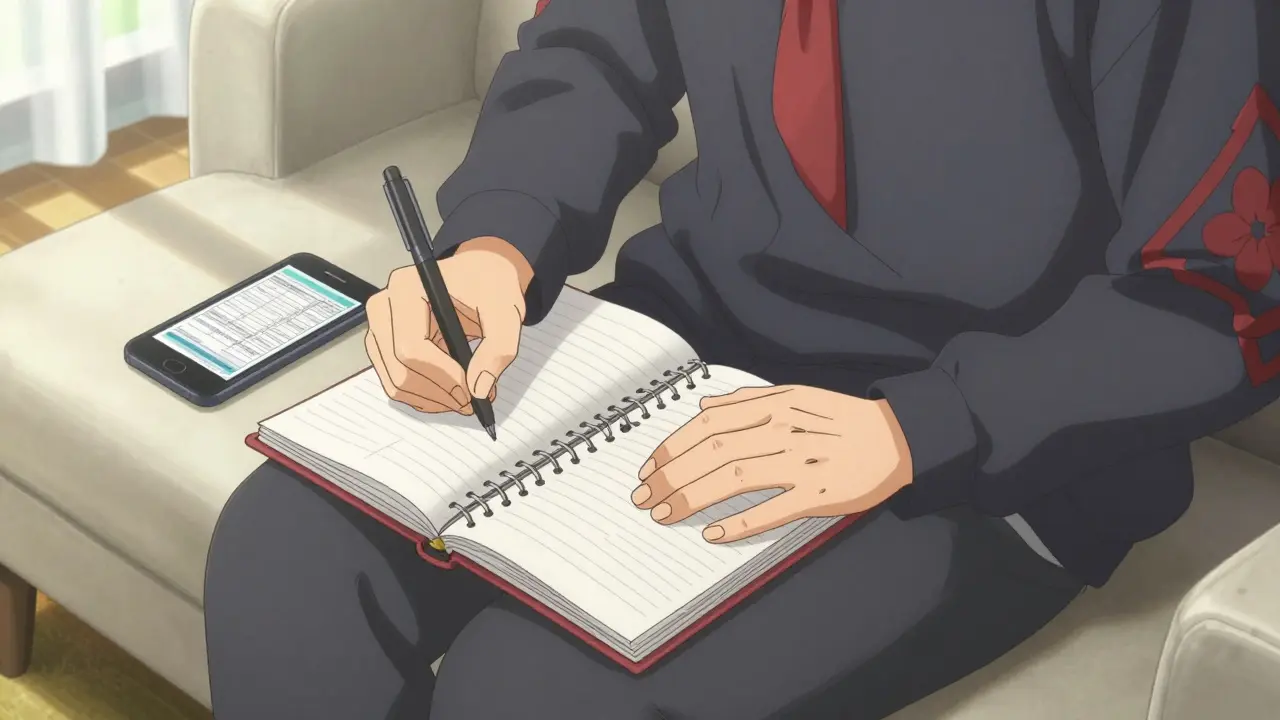
The work doesn’t end when you walk out the door. The “Action” in the title means you have to move. Take the section labeled “Questions I want to ask” seriously. Use it to prepare for your next call or refill request. Keep your own log in the tracking box. If you take a pill twice daily, mark it off. This visual proof is powerful; it lets you see patterns. If you missed three doses last week, the log tells you exactly why (maybe you ran out mid-cycle?).
Share this document. Hand a copy to your caregiver, spouse, or main pharmacy. Do not keep it hidden in a drawer. When you share your plan with multiple providers, duplicate therapies drop significantly. A study noted a decrease in adverse drug events by nearly 24% when families actively tracked usage alongside the patient. If you go to an emergency room, having this paper on you is even more critical than a driver’s license. ER staff often have to rely on self-reporting, which is prone to error.
Avoiding Common Pitfalls and Confusion
Even with a good system, things slip up. One of the most frequent mistakes is treating the plan as a static form filled out once a year. It is meant to be a living document. Every time you change doctors or start a new health service, the paper updates. Another hurdle is health literacy. Some medical jargon gets mixed into the “indication” box. If you don’t know why you are taking a medicine, ask for plain English. If the plan says “hypertension,” write “blood pressure” underneath it in the margins.
Also, beware of assumptions. Just because two doctors prescribe similar drugs doesn’t mean they are interchangeable. Brand names and generics look alike but may contain different inactive ingredients causing allergies. Keep both names recorded. There is also the issue of “as needed” medications. Don’t just write “PRN.” Write exactly what triggers the dose. “Apply cream when rash occurs” is clear. “Use as needed” is vague and dangerous.
Troubleshooting When Access Fails
Sometimes the system fails you. What if you lose your physical plan? Make digital backups. While electronic health records exist, they don’t always talk to each other perfectly. Snap a photo of your completed plan and save it to your phone. In the event of a lost wallet, a digital copy is often acceptable to pharmacists for temporary refills. If you find your provider is overwhelmed and rushing the review, politely interrupt: “Can we please update the medication list before we finish?” Asserting this boundary ensures your safety isn’t sacrificed for speed.
If you are elderly or find reading the plan difficult, consider laminating a smaller, wallet-sized version containing the essentials. Many community pharmacies have adopted this for critical patients who lose track of documents frequently. The goal remains consistent: reducing confusion so that every bottle matches the record, and every record matches the reality of your body.
Who should sign the Medication Action Plan?
Both the authorized prescriber (doctor or pharmacist) and the patient (or their guardian) should sign the plan. This legal step confirms that instructions were given, understood, and agreed upon. It establishes a shared responsibility for the treatment regimen.
Does this template work for over-the-counter drugs?
Yes. You should document all nonprescription drugs, including pain relievers or supplements. OTC products interact with prescription meds just as strongly, and leaving them out is a common cause of reconciliation errors.
How often should I update the action plan?
Update it at every single healthcare encounter. Treat it as a living document. Adding new prescriptions, removing old ones, or noting changed dosages during the appointment ensures the list stays accurate.
What if my doctor refuses to use the plan?
Politely explain that you use this for safety tracking. You can bring your own blank version. Providers can write details in it. If they resist, ask the receptionist for their official medication list protocol, as patient safety organizations recommend consistent mapping.
Is there a digital version of the plan available?
Many regions now offer digital forms via patient portals or apps. However, paper versions are still preferred by many seniors (over 60) for ease of use. Use whichever format helps you track compliance best, ensuring it is accessible during emergencies.




Comments
Amber Armstrong
March 31, 2026 AT 01:07I remember holding my own mother's hand while she tried to read a prescription slip in dim light. It was heartbreaking to see the confusion wash over her face every single day. She didn't know which bottle was for the pain and which was for the swelling. My heart goes out to everyone struggling with the current healthcare bureaucracy here. This template sounds like it could have saved us so much grief during those dark months. We were basically drowning in paper and trying to keep our heads above water constantly. You really have to advocate for yourself when you walk into those sterile offices. Doctors are humans too and they forget things just like we do sometimes unfortunately. Having a written plan makes it impossible for details to just vanish into thin air though. It feels like a lifeline that you can hold onto when everything else gets messy. I wish we had found this tool earlier back during our hardest struggles honestly speaking. The section about crossing out old meds is particularly brilliant for tracking history clearly. Nobody wants to feel like they are losing their memory or grip on reality slowly. Your detailed breakdown here gives me hope that things can improve for families like mine. Thank you for putting so much effort into explaining how this document works properly.
Jonathan Sanders
April 1, 2026 AT 13:22Sure let us all fill out more paperwork while the system crumbles underneath us.
emma ruth rodriguez
April 3, 2026 AT 04:00This is indeed correct; however!!! you must note that compliance is key!! Many fail because they ignore the sections entirely... Which is regrettable.; Please utilize the form correctly!!!
Rick Jackson
April 4, 2026 AT 08:08The spirit of the document matters more than the ink on the page sometimes.
Beccy Smart
April 5, 2026 AT 22:14Literally the best life hack ever seen 💊📝
Jonathan Alexander
April 6, 2026 AT 11:18I walked into my last appointment and they barely looked at the paper I brought with me.
Charles Rogers
April 6, 2026 AT 17:39You people are clearly missing the point of structured data entry in medical settings. Most patients are incapable of self regulation without strict adherence to protocols designed by professionals who understand the gravity of error prevention. Ignoring the checklist leads to preventable hospital admissions which drains resources unnecessarily. I suggest you stop treating your health like a hobby and start respecting the science behind medication management.
Adryan Brown
April 7, 2026 AT 11:59We should all work together to find what works best for each individual family situation.
Christopher Curcio
April 8, 2026 AT 09:16From a pharmacokinetics perspective, documentation ensures accurate steady-state plasma concentration monitoring.
Angel Ahumada
April 10, 2026 AT 04:58the essence of human existence transcends mere chemical interactions yet we bind ourselves to forms instead of seeking spiritual alignment with our bodily functions
dPhanen DhrubRaaj
April 11, 2026 AT 23:38i think keeping track helps many
Vikash Ranjan
April 13, 2026 AT 04:14Most templates are useless anyway because doctors never update them properly anyway
RONALD FOWLER
April 15, 2026 AT 01:59We should listen to both sides with open minds and hearts regarding patient safety issues.
Biraju Shah
April 16, 2026 AT 18:45STOP ignoring the signs that your medication regimen is failing immediately or risk severe health consequences