How to Manage Interactions When Starting a New Medication
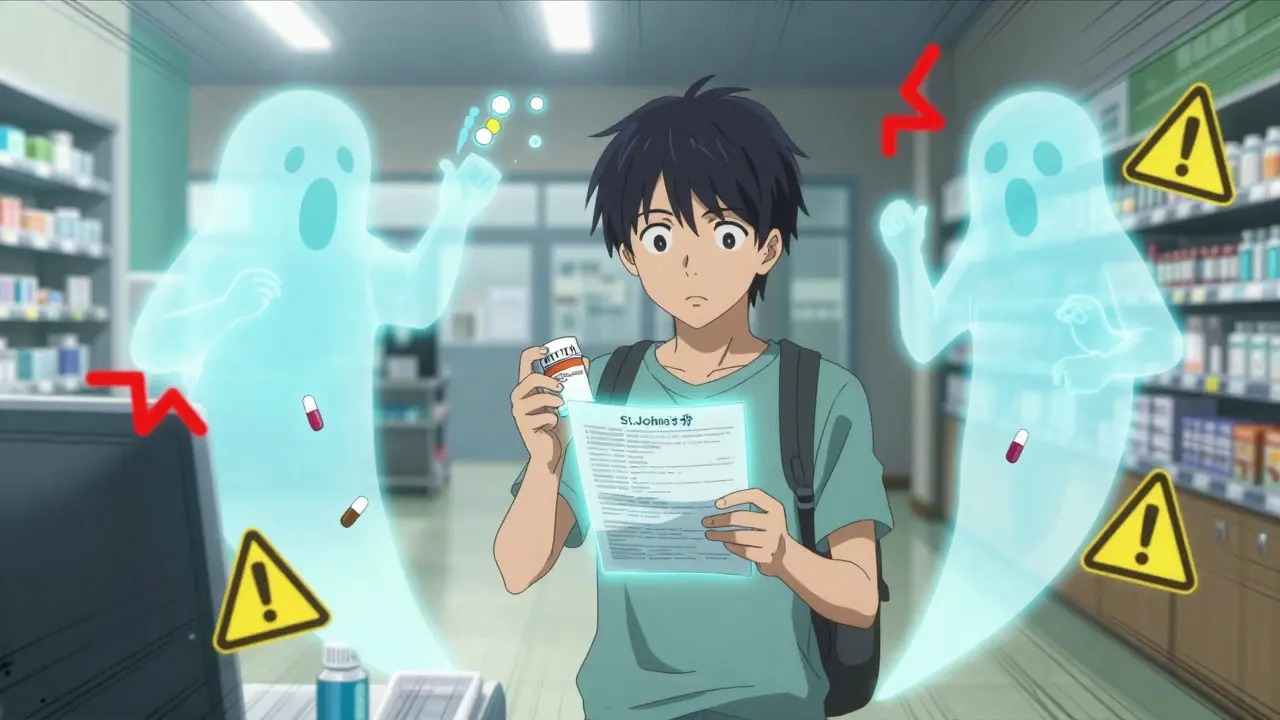
Starting a new medication can be a simple step - pick up the prescription, take it as directed, and hope for the best. But what if that new pill changes how your other drugs work? Or makes them less effective? Or worse - causes a dangerous side effect you never saw coming? This isn’t rare. Every year, tens of thousands of people end up in the hospital because of unexpected drug interactions. And most of the time, it’s avoidable.
You’re not alone if you’ve ever wondered, "Do I need to change how I take my pills?" or "Should I tell my doctor about that herbal supplement I’m using?" The truth is, managing interactions isn’t just your doctor’s job. It’s something you need to be part of - especially when you’re starting something new.
Why Drug Interactions Happen
Not all medications play nice together. When two or more drugs are taken at the same time, one can change how the other is absorbed, broken down, or used by your body. These changes are called drug interactions. There are two main types:
- Pharmacokinetic: This is about how your body moves the drug around. For example, some drugs block or speed up liver enzymes (like CYP3A4) that break down other medications. If the enzyme gets blocked, the other drug builds up in your blood - and that can be toxic. If it’s sped up, the drug might not work at all.
- Pharmacodynamic: This is about what the drugs do to your body together. Two drugs might both lower blood pressure, for instance. Taken alone, they’re fine. Taken together? Your blood pressure could crash.
One of the most common and dangerous examples is the combination of simvastatin (a cholesterol drug) and amlodipine (a blood pressure pill). If you’re on amlodipine, your simvastatin dose must be capped at 20 mg per day. Go higher, and you risk severe muscle damage. Another example: warfarin (a blood thinner) and amiodarone (a heart rhythm drug). When amiodarone is started, warfarin’s effect can jump by 50% or more - leading to dangerous bleeding. Doctors often cut the warfarin dose by 30-50% right away.
Who’s at the Highest Risk?
You don’t have to be on ten medications to be at risk. But the more you take, the higher the chance something will clash. In fact, over 40% of adults over 65 are taking five or more prescriptions. That’s not just common - it’s the new normal.
But it’s not just about quantity. Some people are more vulnerable:
- People with kidney or liver problems - these organs help process drugs. If they’re not working well, drugs stick around longer and build up.
- People taking medications with narrow safety margins - like warfarin, digoxin, or lithium. A tiny change in blood level can mean the difference between safety and danger.
- People using supplements or herbal products - many don’t realize these count as "medications." St. John’s Wort, for example, can cut the effectiveness of birth control pills, antidepressants, and even HIV drugs by up to 60%.
- People who get prescriptions from multiple doctors - without one person seeing the full picture, interactions slip through.
What You Need to Do Before Starting a New Medication
Don’t wait until you start feeling weird. Before you even pick up that new prescription, take these steps:
- List everything you take - not just prescriptions. Include over-the-counter painkillers (like ibuprofen or naproxen), vitamins, supplements, herbal teas, and even recreational drugs like alcohol or marijuana. Write it down. Be specific: "I take 500 mg of vitamin C daily," not just "I take vitamins."
- Bring that list to every appointment - even if you’ve been to the same doctor before. Medication lists change. What was true last month might not be true now.
- Ask: "Is this new drug known to interact with anything I’m already taking?" Don’t assume your doctor knows your full list. If they don’t have time to check, ask for a pharmacist consult. Pharmacists are trained to catch these things - and studies show they find 40-60% more interactions than doctors do.
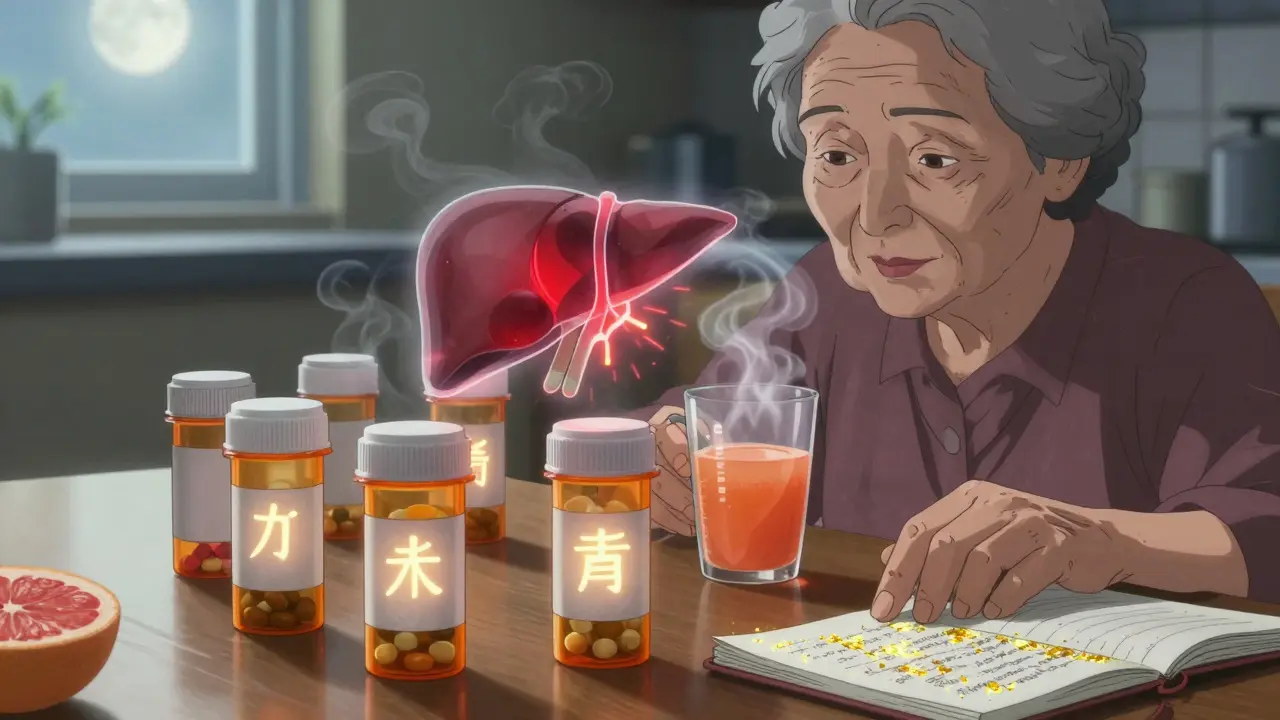
- Check for timing and food rules - "Take on an empty stomach" doesn’t mean "don’t eat for two hours." It usually means no food for one hour before and two hours after. Eating grapefruit with certain statins? That’s a no-go. It can spike drug levels dangerously.
What to Watch For in the First Week
Most serious interactions show up within the first few days. That’s when your body is adjusting. Pay attention to:
- Sudden dizziness or fainting - could mean your blood pressure dropped too low.
- Unusual bruising or bleeding - especially if you’re on blood thinners.
- Severe muscle pain or weakness - a red flag for statin interactions.
- Extreme sleepiness or trouble breathing - a sign of opioid-sedative overlap.
- Changes in mood or anxiety - some drugs interact with antidepressants or anti-anxiety meds.
If you notice anything unusual, don’t wait. Call your pharmacist or prescriber. Don’t stop the medication on your own - but do report it.
Why Your Pharmacy Matters
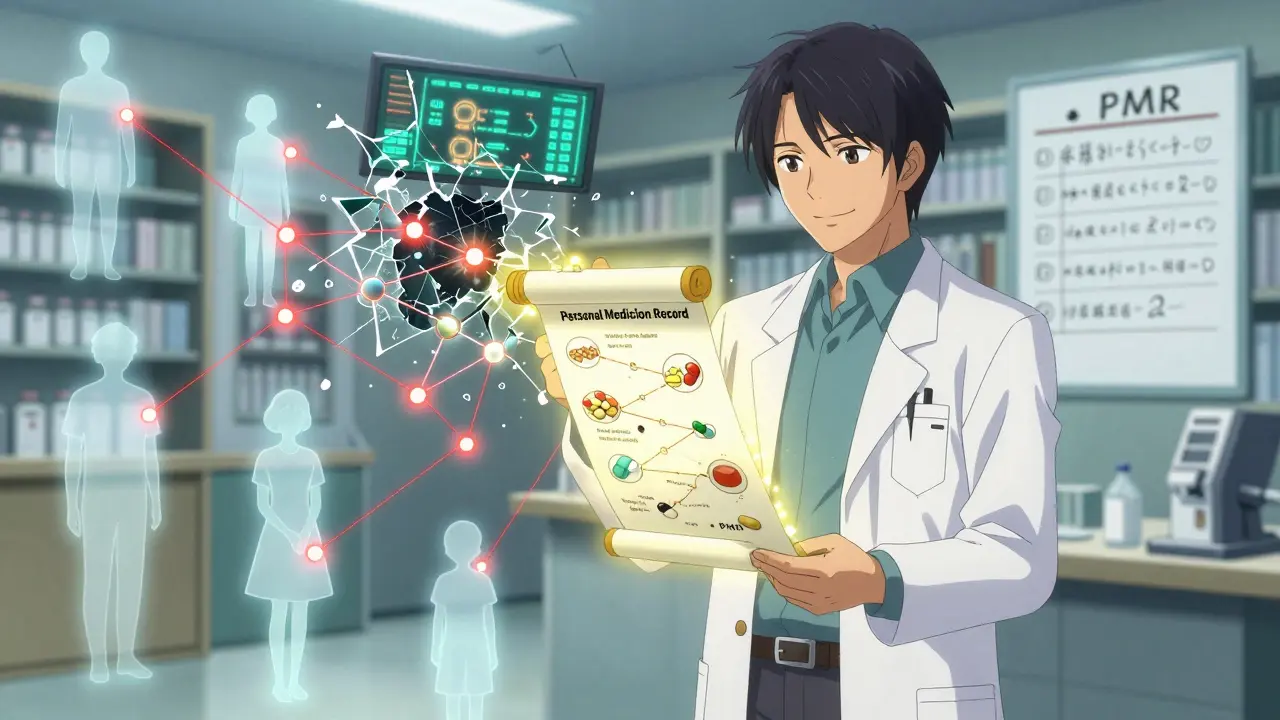
Most people think of the pharmacy as just a place to pick up pills. But a good pharmacy does more. They maintain a Personal Medication Record (PMR) - a living document that includes every drug, dose, reason for use, and warning. A full PMR should have:
- Medication name
- Exact dose and how often to take it
- Why you’re taking it
- Special instructions (e.g., "take with food," "avoid grapefruit")
- Substances to avoid
- Potential side effects
- When to call your doctor
Ask your pharmacist to review your full list every time you get a new prescription. Many pharmacies offer this for free. At Mayo Clinic, pharmacist-led reviews cut hospital readmissions from drug interactions by 22%. That’s not a small win.
What Electronic Alerts Get Wrong
Hospitals and clinics use computer systems to warn doctors about interactions. But here’s the problem: they flood providers with alerts. Studies show physicians ignore 90-95% of these warnings - not because they’re careless, but because most are low-risk or false alarms.
That’s why you need to be your own alert system. If your doctor says, "This drug is fine," but you’ve read online about a risk, ask: "Is this a major interaction? What’s the chance it’ll affect me?" High-severity alerts - like those requiring a 50% dose reduction or outright avoidance - are still heeded 75% of the time. Learn to spot them.
When to Ask for a Medication Review
Don’t wait for a crisis. If you’re on five or more medications, ask for a formal medication review every 3-6 months. This isn’t optional - it’s essential. The American Academy of Family Physicians recommends it. So do the CDC and the Institute of Medicine.
During a review, someone (a pharmacist or doctor) will:
- Check for unnecessary drugs
- Look for duplicates (e.g., two different painkillers with the same active ingredient)
- Assess whether non-drug options (like exercise, diet, or physical therapy) could replace something
- Update your medication list
One study found that just 12-18% of interactions could be avoided by switching to lifestyle changes - like using turmeric instead of NSAIDs for joint pain, or walking instead of beta-blockers for mild high blood pressure.
What to Do If You’re Still Worried
Here are three simple things you can do right now:
- Use the free Drug Interaction Checker from the FDA or the American Society of Health-System Pharmacists. Type in all your medications - including supplements - and see what pops up. Don’t trust the first result. Look for multiple sources.
- Ask for a written summary - when you get a new prescription, ask for a one-page handout with the risks, signs to watch for, and who to call.
- Keep a symptom journal - for the first two weeks after starting a new drug, write down how you feel each day. Note sleep, energy, mood, pain, digestion. Bring it to your next appointment.
Remember: no interaction is too small to mention. Even "I take melatonin every night" or "I drink two cups of green tea daily" matters. The truth is, the most dangerous interactions often come from things we think are harmless.
Final Thought: You’re Not Just a Patient - You’re a Partner
Medication safety isn’t a checklist your doctor ticks off. It’s a conversation. The best outcomes happen when patients speak up, ask questions, and bring their full story to every appointment. You know your body better than any algorithm. If something feels off - trust it. And don’t be shy about asking: "Could this new pill make something else I’m taking dangerous?"
Because in the end, managing interactions isn’t about memorizing science. It’s about staying alert, staying informed, and staying in charge of your own health.
Can I just stop a medication if I think it’s causing an interaction?
No. Stopping a medication suddenly - especially blood pressure drugs, antidepressants, or seizure medications - can be dangerous. If you suspect an interaction, contact your prescriber or pharmacist immediately. They may recommend a gradual taper, a swap to a safer drug, or closer monitoring. Never adjust or stop a prescription on your own.
Do over-the-counter drugs and supplements really cause interactions?
Yes - and often more than prescriptions. St. John’s Wort can cut the effectiveness of birth control, antidepressants, and HIV meds. Garlic and ginkgo can thin your blood and increase bleeding risk when taken with warfarin or aspirin. Even common pain relievers like ibuprofen can raise kidney risk when taken with blood pressure drugs. Always list everything you take - even if you think it’s "just a natural remedy."
How long does it take for a drug interaction to show up?
It varies. Some reactions happen within hours - like a sudden drop in blood pressure. Others build up over days or weeks. For example, amiodarone can take weeks to reach full effect in your body, and its interaction with warfarin may not peak until after 3-4 weeks. That’s why monitoring for the first 2-4 weeks is critical after starting any new drug.
Are there any apps or tools that help track drug interactions?
Yes. The FDA’s Drug Interaction Checker and the American Society of Health-System Pharmacists’ database are reliable and free. Apps like Medscape or Epocrates are widely used by clinicians, but always cross-check with official sources. Remember: apps can miss interactions - especially those involving supplements or food. Use them as a tool, not a final answer.
Why do some doctors seem dismissive about my supplement use?
Some doctors aren’t trained in supplement interactions - and many assume patients won’t mention them. But research shows 68% of patients don’t report supplement use. That’s why it’s up to you to bring it up clearly: "I take X daily. Is it safe with this new prescription?" If they brush you off, ask for a pharmacist consult. Most clinics offer this service at no extra cost.